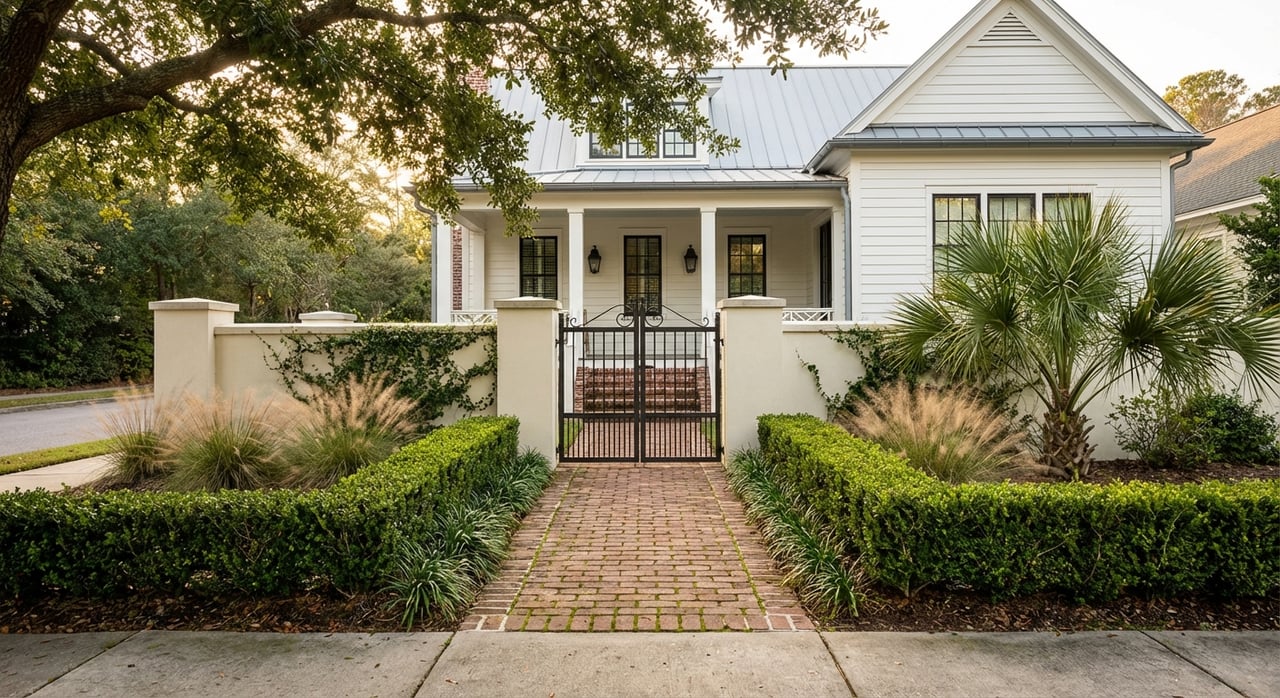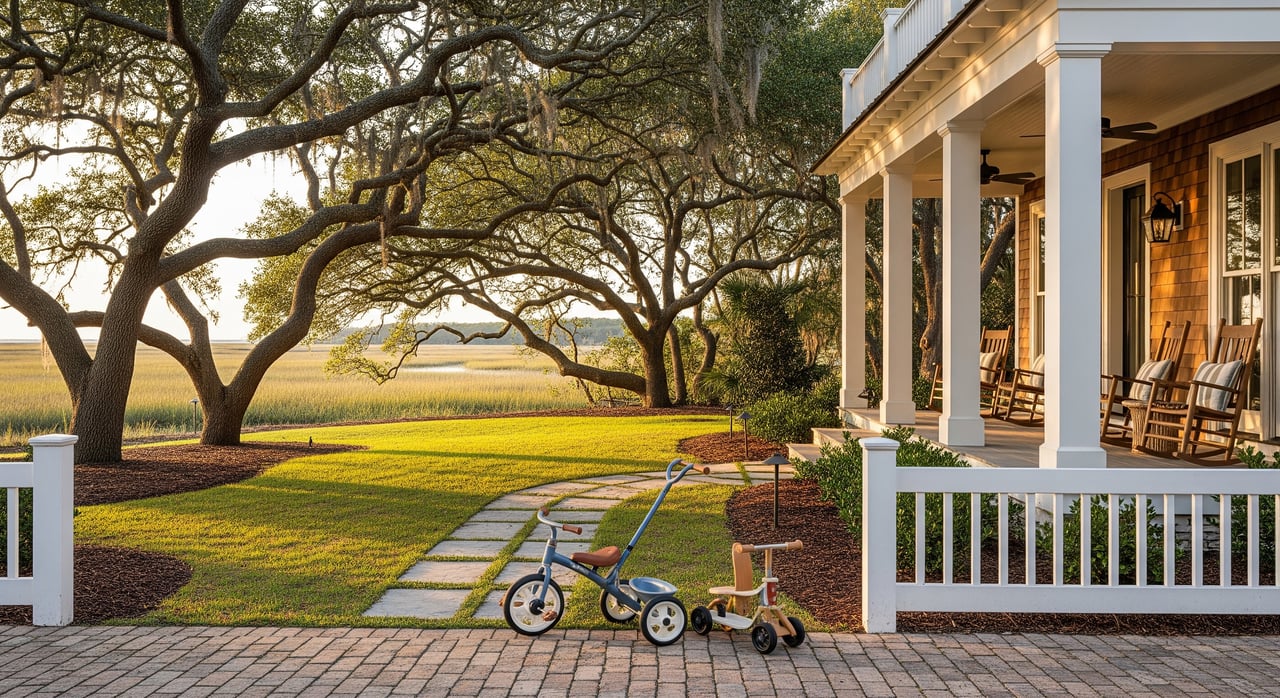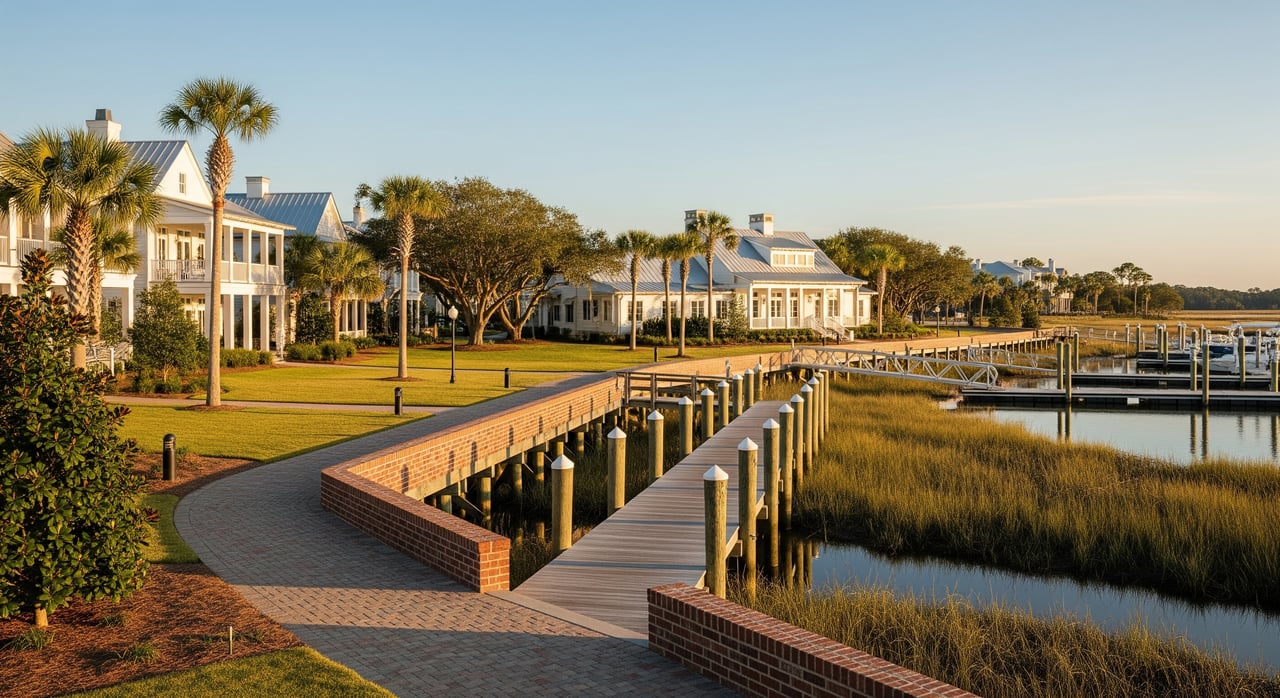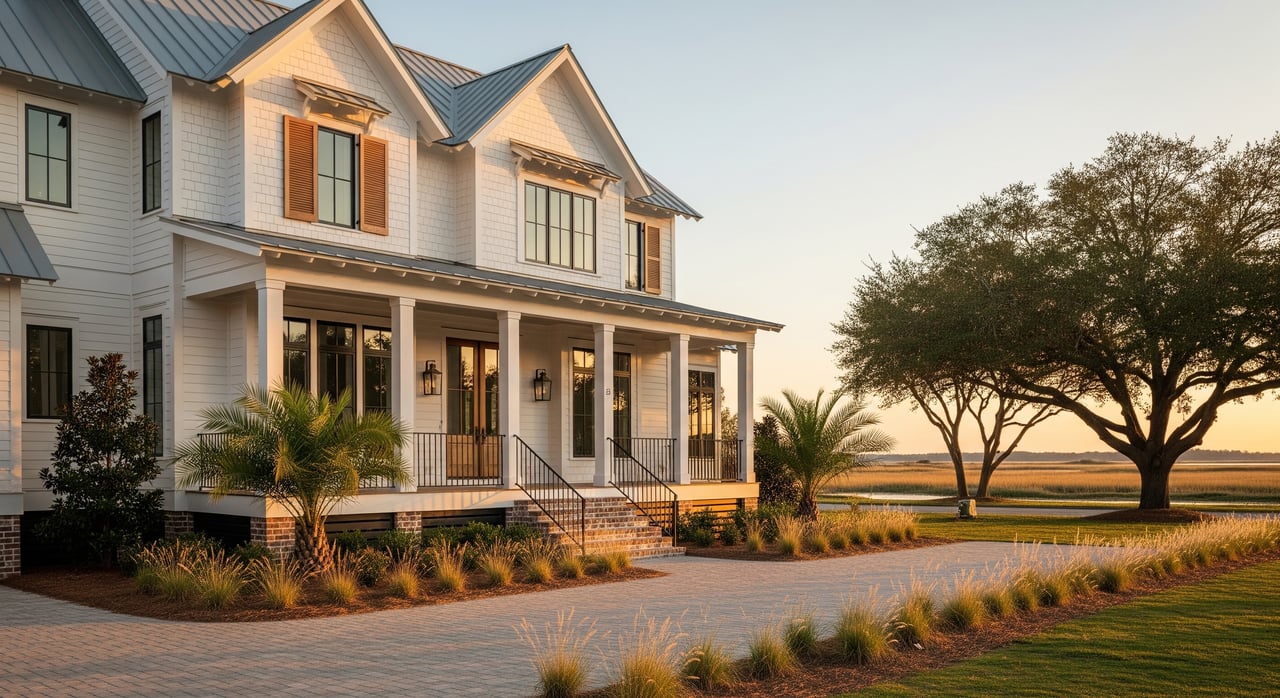
Building from the ground up in Carolina Park is exciting. You get a fresh home tailored to your lifestyle, but the steps, choices, and costs can feel overwhelming. In this guide, you’ll learn how the process works in the Charleston and Mount Pleasant area, what to expect from builders, how allowances and ARB reviews work, and the timelines and inspections that protect your investment. Let’s dive in.
Why build in Carolina Park
Carolina Park is a master-planned community in the Charleston and Mount Pleasant region. You’ll find a mix of production, semi-custom, and occasional custom options, plus community amenities and an HOA with architectural controls. In the coastal climate, plan for hurricane exposure, humidity, salt air, and potential flood risk. These factors influence construction standards, required elevations, insurance, and long-term maintenance.
Also look at commuting corridors and planned road or amenity phases. Master-planned communities often build in stages, and the timing of pool, park, or roadway completion can affect livability and future resale. Ask for current plans and timelines before you choose a lot.
Your new-build path in Carolina Park
Step-by-step overview
- Research neighborhoods and meet with your agent.
- Select a lot and confirm orientation, elevation, and setbacks.
- Get mortgage pre-approval to set a realistic budget.
- Choose a builder and sign a contract with clear inclusions and timelines.
- Complete design center selections and confirm allowances.
- Submit plans for ARB/DRB review and finalize permits.
- Begin construction with stage inspections.
- Complete final walkthrough, close, and start the warranty period.
Lot selection essentials
The lot you choose shapes your daily life and long-term value. Consider sun exposure and afternoon heat, slope and drainage, and the buildable area defined by setbacks. Look at landscaping buffers for privacy, proximity to parks or greenways, and how rooflines and neighboring homes may affect views.
Confirm utilities and easements that might limit backyard use. Verify the FEMA flood zone and whether an elevation certificate exists or will be provided. If a lot sits in a floodplain, your finished-floor elevation and insurance needs may change. Clarify any lot premium and whether the lot price is included in the advertised home price.
Builder types and contract tips
- Production/spec homes: Inventory homes close faster with fewer selections.
- Build-to-order or semi-custom: You choose a plan and make curated selections; timelines are longer than spec.
- True custom: Fully customized plans with the longest timelines and more complex approvals.
Scrutinize your contract for base price vs. lot premium, what’s included versus an upgrade, selection allowances, change-order policies, deposits, warranty details, and the closing timeline. Get all promises and promotions in writing.
Design center choices and allowances
Most builders schedule a design day, an upgrade review, and a final sign-off before ordering. You’ll likely see allowances for cabinets, countertops, appliances, flooring, lighting, plumbing fixtures, landscaping, and sometimes electrical options. Allowances may be a dollar amount or a selection limited to certain grades.
Confirm deadlines for selections and the cost of late changes. Ask how unused allowance funds are handled at closing. Policies vary, so it is important to have this in writing before you begin.
ARB/DRB and permits
What the ARB reviews
The community’s architectural review board protects design consistency. Expect rules for exterior materials and colors, roofing and paint palettes, fencing, driveways, accessory structures, and landscaping. Ask about any specs the builder requires versus items you can add after closing.
Review timelines and tips
Plan for a review period that commonly ranges from a couple of weeks to about a month, plus time for revisions if needed. Submit a complete package with your site plan, elevations, colors, and materials to reduce delays. Confirm any review fees and timing before you set your construction start date.
Permits and utilities
Builders typically handle construction permitting. Verify who pays impact and connection fees and whether water and sewer tap fees are included. Permitting can add weeks before site work begins, and complex lots or floodplain conditions can increase timelines.
Timelines and inspections
Typical build times
- Spec or inventory home: Often closes within weeks to a few months if near completion.
- Production or build-to-order: Commonly several months from contract to completion, often in the 4 to 9 month range depending on size and backlog.
- Semi-custom or custom: Often 6 to 18 months, based on complexity and approvals.
Expect possible extensions from ARB revisions, weather events in coastal South Carolina, permitting delays, supply chain issues, and change orders. Build in a buffer when you plan your move.
Inspections you should plan
Ask about key milestones such as footing and foundation, pre-slab or slab (if applicable), framing and structural inspections, mechanical/electrical/plumbing rough-ins, insulation, and the pre-drywall walkthrough. The final inspection and certificate of occupancy will precede closing.
It is recommended to hire a licensed third-party home inspector experienced in new construction for stage inspections, especially pre-drywall and final. Independent eyes can flag issues early, when fixes are simpler and faster.
Warranties and walkthroughs
Expect a final walkthrough and punch list before closing, then warranty follow-ups after you move in. Many builders offer a short-term punch list window, a one-year warranty walkthrough, and sometimes additional coverage for systems or structural items. Request the full warranty in writing and clarify response times.
Costs, financing, and insurance
What makes up the price
Break down the full cost early. Ask for the base home price, the lot cost or premium, and all upgrades and options. Include design center overages, impact or connection fees, and HOA or amenity dues. Confirm what is included vs. an upgrade for every line item.
Understanding allowances
Common allowance categories include cabinets and countertops, appliances, flooring, lighting and fixtures, landscaping and irrigation, and electrical options. Verify the square footage covered in flooring allowances and how overage pricing works. Ask whether unused allowance dollars are returned as a credit at closing or absorbed by the builder.
Financing options
Get pre-approval before you begin selections so you know your total budget. Spec or inventory homes often use a standard purchase mortgage. New builds may require a construction-to-permanent loan or a construction loan that converts to permanent financing at completion. If you plan to use VA or FHA, confirm any new-construction requirements early.
Construction loans usually include lender inspections tied to progress draws. These checkpoints can affect builder schedules, so understand how your lender structures them.
Flood and insurance basics
In the Charleston area, many properties fall within FEMA flood zones. Your lender will run a flood determination, and flood insurance may be required in certain zones. Ask for an elevation certificate if available, or confirm how and when one will be provided.
Clarify the builder’s onsite liability and builder’s risk insurance during construction and when your homeowner’s policy needs to begin, typically at closing.
Smart questions to ask
- Is the lot price separate from the home price, and how is it shown on the contract?
- What is included in the base home, and what are the allowance amounts by category?
- What are the ARB timelines, fees, and color or material restrictions?
- What is the estimated completion date, and how are delays handled?
- What warranty coverage is included, and who handles service requests?
- Will I receive an elevation certificate, and what is the property’s FEMA flood zone?
- Who is my point of contact for construction updates and warranty claims?
Practical tips for out-of-area buyers
If you are relocating, request periodic photo updates or schedule virtual check-ins through the builder’s portal. Plan trips for key milestones such as the pre-drywall walkthrough and final inspection. Keep all selections, plans, and change orders organized in one digital folder for easy reference and future resale.
How a local advisor helps
A local, full-service agent can help you compare builders and lots, navigate ARB guidelines, and keep your budget aligned with real upgrade costs. You also gain access to trusted referrals for construction-friendly lenders and licensed new-construction inspectors. Most importantly, you have an advocate who tracks progress, documents changes, and helps you make confident decisions from contract to close.
Ready to explore new construction in Carolina Park with a clear plan and a trusted local guide? Reach out to Cara Schaafsma to talk timing, lots, builders, and next steps.
FAQs
How long does a new build in Carolina Park typically take?
- Spec homes can close within weeks to a few months; build-to-order often runs several months, while semi-custom and custom homes commonly span 6 to 18 months depending on complexity and approvals.
Is the lot cost included in the advertised home price?
- Policies vary by builder; ask if the lot is included, how any lot premium is shown on the contract, and how it affects your mortgage qualification.
What are allowances, and do I get money back if I do not use them?
- Allowances are set amounts for finishes like cabinets or flooring; some builders credit unused funds at closing, while others do not, so get the policy in writing.
Do I need an independent inspector for a brand-new home?
- Yes, stage inspections by a licensed home inspector, especially pre-drywall and final, are recommended to catch issues early and verify quality.
Will I need flood insurance in Carolina Park?
- Your lender will confirm based on FEMA flood maps; if the home is in a Special Flood Hazard Area, flood insurance will be required, and an elevation certificate may be needed.
When does my homeowner’s insurance start on a new build?
- The builder typically carries risk during construction; your homeowner’s policy usually begins at closing, so confirm timing with your builder and insurer.