Shopping for a home on Daniel Island and running into a maze of HOA and POA fees? You are not alone. The island’s layered associations and optional club memberships can be confusing at first glance. With a clear understanding of who charges what and what each fee covers, you can plan your budget with confidence and choose the right neighborhood fit. This guide breaks down the structure, typical coverage, due diligence steps, and practical tips you can use before you write an offer. Let’s dive in.
How Daniel Island fees work
Layers of associations to know
Daniel Island is a master-planned community with multiple association layers. Most buyers encounter a master association that manages island-wide spaces and policies. Many homes also sit inside a neighborhood or sub-association that enforces local rules and maintains amenities like a pool or playground. Condominiums add a third layer, since condo associations manage building systems and shared elements.
It is common to pay more than one recurring fee. A single-family home may owe master dues plus neighborhood HOA dues. A condo may owe master dues plus condo assessments. If you choose to join a private club, those memberships come with separate contracts and fees.
Private clubs and marinas are separate
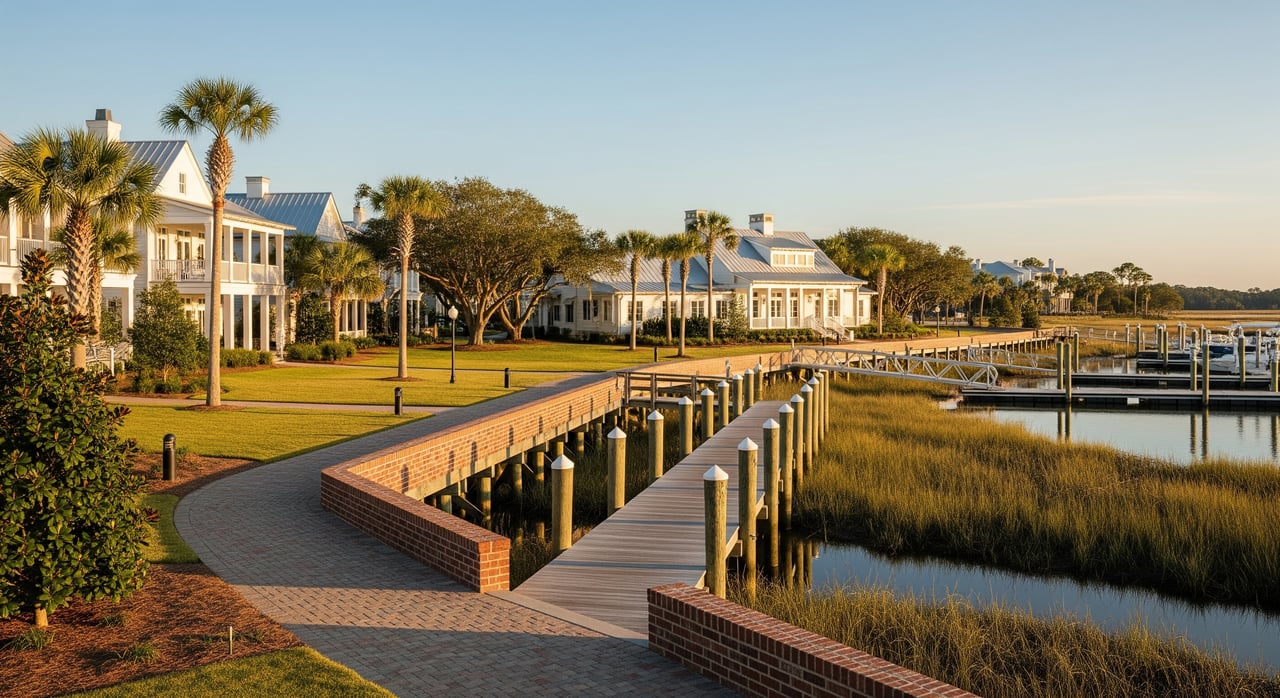
Golf, country club, and marina facilities on or near Daniel Island are typically operated by private entities. Membership is not included in HOA or POA dues. Even if a home is adjacent to a golf course or dock, access usually requires its own membership and fee structure. Always confirm initiation fees, monthly or annual dues, and any waitlists before you rely on those amenities.
What fees usually cover
Master association coverage
The master association typically maintains island-wide common areas. That can include trails, pocket parks, shared corridors and landscaping, signage, and certain community events or security initiatives. Master policies apply across the island and are funded by a master fee charged to covered parcels. These dues do not replace personal homeowner costs like your own insurance or utilities.
Condo and townhouse differences
Condominium associations manage more building systems, so their monthly assessments are typically higher than single-family HOA dues. Condo fees commonly include the building’s master insurance policy, exterior maintenance, roof and elevator service, common area utilities, and reserve contributions for long-term projects. Some condos include items like trash or water for unit owners, but this varies by building.
Townhomes and duplexes may fall somewhere in between. If exterior maintenance or roof replacement is included, expect higher dues than a detached single-family home. Read the documents to see exactly what the association maintains versus what the owner maintains.
Fee structure and billing
Recurring dues and cadence
Associations on Daniel Island may bill dues monthly, quarterly, semi-annually, or annually. The cadence varies by association and property type. Build the schedule into your monthly housing budget so you are not caught off guard.
One-time fees at closing
Expect one-time items at closing, such as a transfer fee, a resale or estoppel certificate fee, and sometimes a capital contribution. These are standard administrative costs that help associations manage records, reserves, and onboarding for new owners. Ask for these amounts early so they are included in your closing estimate.
Special assessments
Associations can levy special assessments for unexpected repairs or large capital projects. This is one reason it is important to review reserve studies, current reserve balances, and planned projects. Healthy reserves reduce the chance of a surprise assessment, though no association can avoid every contingency.
How to evaluate an HOA
Reserves and capital planning
Reserves are the savings account for future repairs. Ask for the most recent reserve study and current reserve fund balance. Review planned projects like paving, playground replacements, landscaping overhauls, or shoreline work to understand near-term needs. A thoughtful plan with consistent reserve contributions is a positive sign.
Insurance coverage differences
Associations typically insure common areas. Condo associations carry a master policy for the building structure and shared elements. You, as the owner, are usually responsible for interior coverage and personal property. Confirm the association policy’s scope and deductible, and ask whether a portion of a deductible could be assessed to owners after a loss.
Financial indicators and governance
Request the operating budget and recent financial statements. Look at the delinquency rate for unpaid dues, since high delinquency can strain cash flow. Ask about the history of fee increases, special assessments, or any litigation. Review recent board meeting minutes to see maintenance discussions, rule changes, and owner concerns.
Buyer due diligence checklist
Request these documents and answers before you commit:
- Current fee schedule and billing frequency for all layers that apply to the property: master, neighborhood HOA, condo, and any separate club if you plan to join.
- Resale certificate or estoppel letter showing dues, outstanding assessments, and transfer fees.
- Most recent yearly budget, current-year budget, and financial statements.
- Reserve study and current reserve balance.
- Board meeting minutes from the past 6 to 12 months.
- Governing documents: CC&Rs, bylaws, rules and regulations, architectural guidelines.
- Insurance summary and master policy declarations for the association.
- Notices of any pending assessments or capital projects.
- Clear disclosure of rental, pet, parking, and amenity access policies.
Questions to ask the listing agent or HOA manager:
- Which island amenities are included in the master fee, and which are covered by the neighborhood HOA?
- Are golf, club dining, or marina access included, or do they require separate memberships and dues?
- Have fees increased in recent years, and are increases planned?
- What capital projects are planned in the next three to five years?
- What are the rules for exterior modifications, rentals, and pets?
Budgeting tips for relocation and move-up buyers
- Treat HOA and POA dues as part of your monthly housing cost, alongside mortgage, taxes, insurance, utilities, and routine maintenance.
- For condos and many townhomes, expect dues to be a larger share of your monthly cost because they cover exterior items and building systems.
- If you plan to join a private club or use a marina, add initiation and ongoing dues to your budget now.
- Set aside a contingency equal to a few months of dues to buffer against unexpected assessments or fee changes.
- Compare dues and what they include across two or three neighborhoods you like. The right fit balances amenities you will actually use with a cost structure you are comfortable carrying.
Red flags to watch for
- No formal reserve study or very low reserves relative to upcoming projects.
- Repeated special assessments or steep, frequent fee increases without clear explanations.
- High delinquency in dues, frequent board turnover, or ongoing litigation.
- Difficulty obtaining budgets, minutes, or resale certificates, which can signal poor transparency.
Next steps on Daniel Island
Understanding how the master association, neighborhood HOAs, condo associations, and private clubs fit together will help you make a confident choice. The right property should match your lifestyle and budget, including the dues that support the amenities you value. If you want help comparing neighborhoods, reviewing documents, and confirming what a specific home’s fees actually include, reach out for local guidance.
Ready to walk through options and numbers for a specific property? Schedule a friendly, no-pressure consult with Cara Schaafsma to get clear answers before you make your move.
FAQs
Do HOA or POA dues include golf or marina access on Daniel Island?
- Generally no. Golf, country clubs, and marinas operate under separate memberships with their own dues, even for nearby residents.
How do condo fees compare to single-family HOA dues on Daniel Island?
- Condo assessments are typically higher because they include building insurance, exterior maintenance, elevators, common utilities, and reserve funding for capital projects.
What one-time fees should I expect at closing for a Daniel Island home?
- Expect items like transfer fees, resale or estoppel certificate fees, and sometimes a capital contribution; request exact amounts early to include them in your closing estimate.
How can I confirm if a neighborhood pool is included with my Daniel Island home?
- Verify whether your parcel is within the sub-association that funds the pool and review amenity access rules in the HOA documents before you make an offer.
How do I reduce the chance of special assessments after I buy?
- Review the reserve study, current reserve balance, planned projects, and financial statements; stronger reserves and clear planning lower the risk of large surprise assessments.