Wondering which Charleston home style fits your life in West Ashley? With riverfront pockets, older bungalows, and new elevated builds, the choices can feel overwhelming. You want beauty, comfort, and smart protection for our coastal climate. This guide breaks down the most common styles, how they live day to day, what to expect for maintenance and flood risk, and how to match each to your lifestyle. Let’s dive in.
West Ashley home styles at a glance
Charleston single
The classic Charleston single is one room wide with the long side set perpendicular to the street. You often enter from a side piazza, where tall windows and doors promote cross-breezes and easy indoor-outdoor living. Many feature wood clapboard or cypress siding and a raised foundation. In West Ashley, you’ll see historic examples along with newer homes that borrow the same layout and porch-forward life.
This style rewards you with character and passive cooling. Be mindful that older buildings can carry hidden issues, from outdated systems to structural wood repairs. If a property is in a protected area or subject to preservation covenants, exterior changes may need review.
Elevated coastal homes
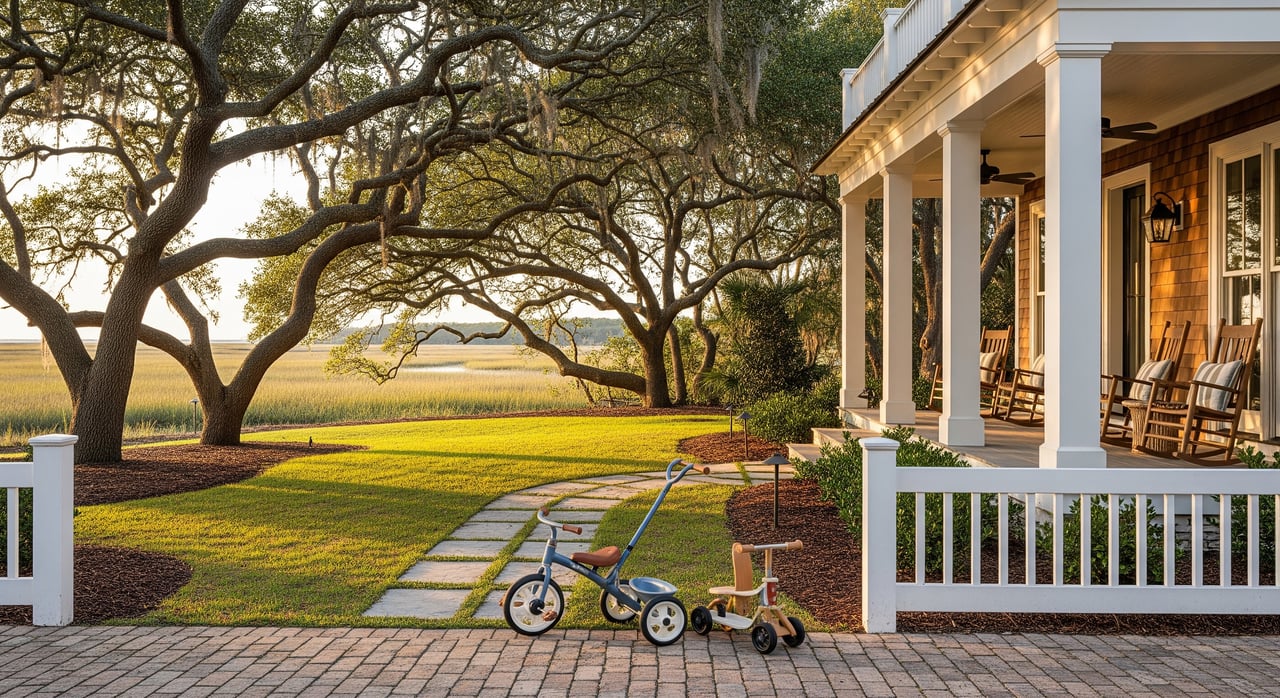
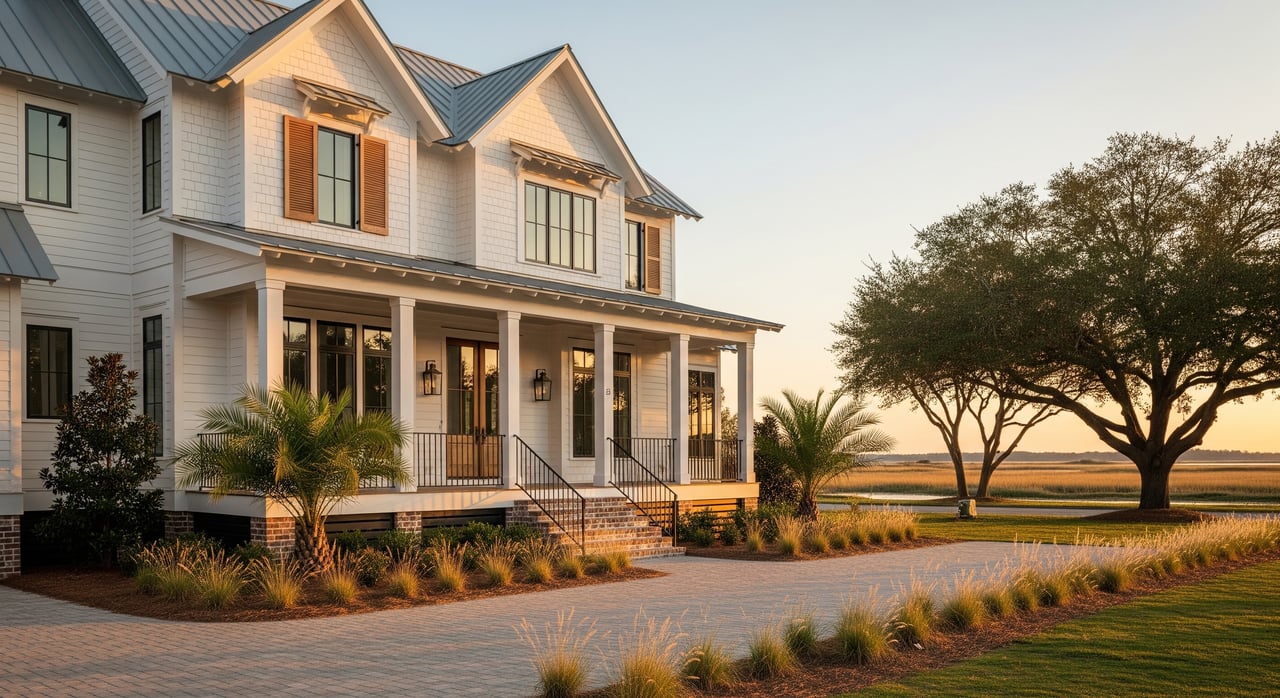
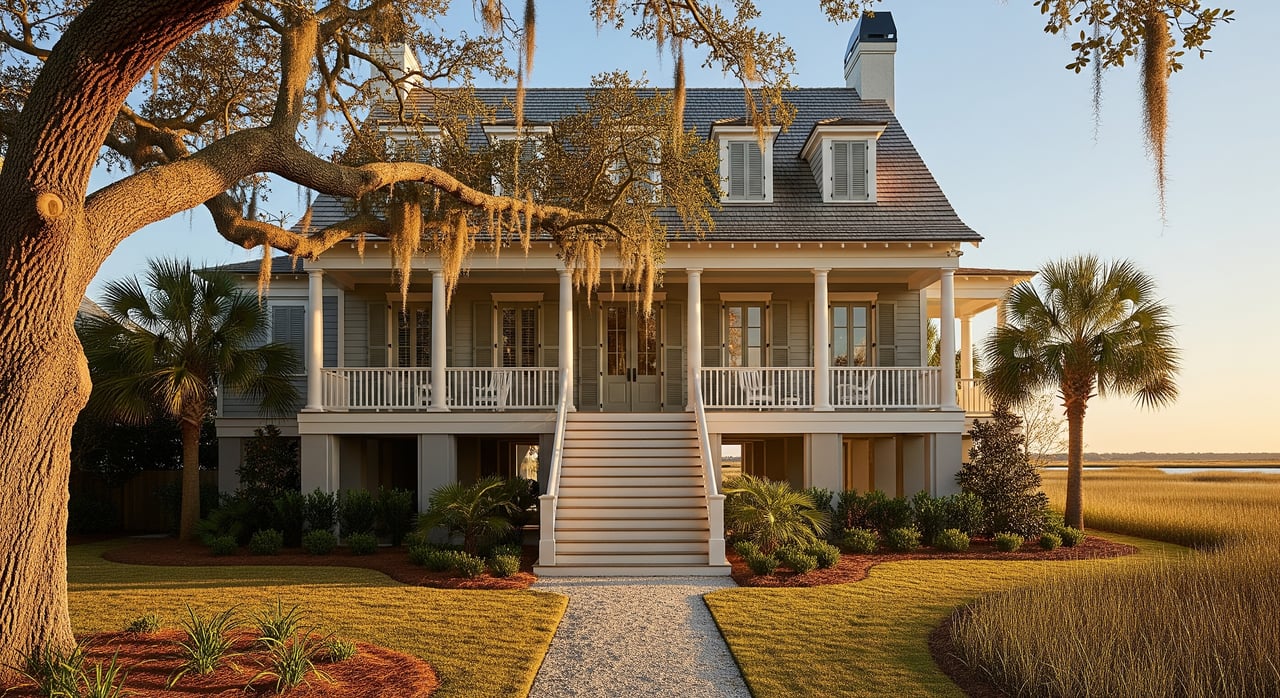
Elevated coastal designs lift living areas above ground level on pilings or piers. Ground floors are commonly used for parking, storage, or enclosed garages, while porches and large windows frame marsh or creek views. Builders use corrosion-resistant materials to handle salt air, and many newer builds exceed minimum elevation to improve resilience.
In West Ashley’s tidal and marsh-adjacent settings, elevation is a key tool for flood risk reduction and can influence insurance costs. Expect exterior stairs and rails to require routine upkeep. After major storms, plan for inspections of tie-downs, connections, and under-house drainage.
Cottage and bungalow
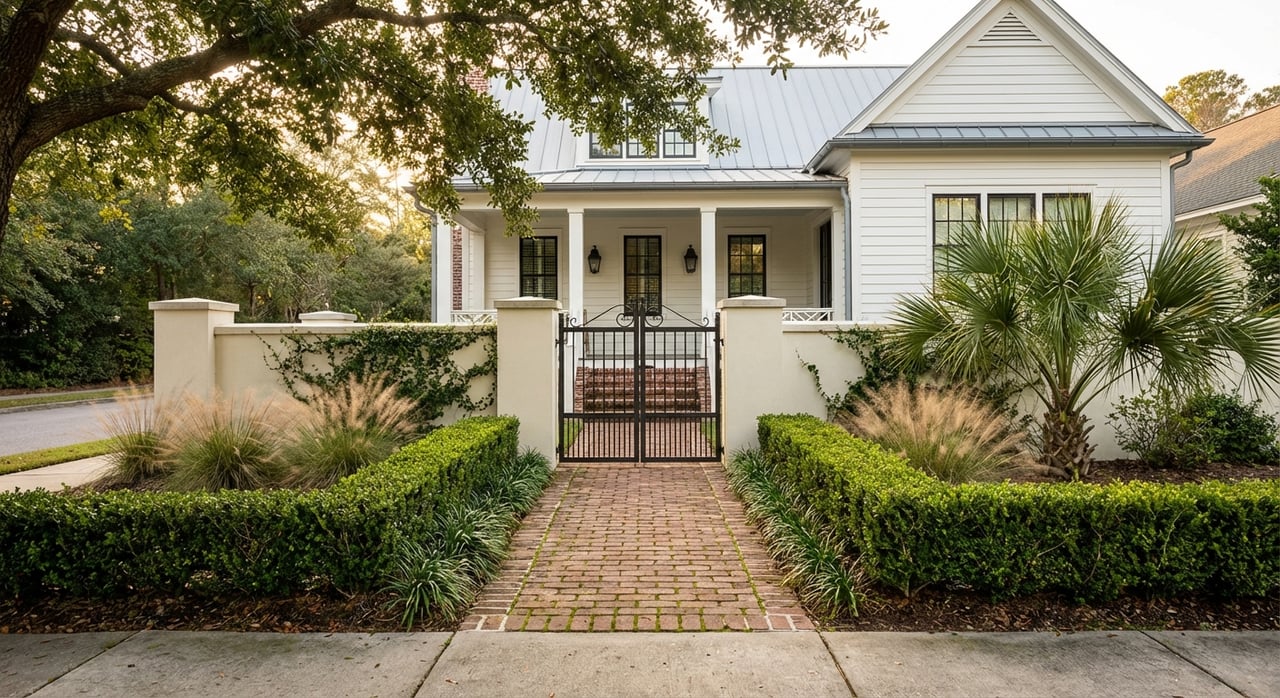
Lowcountry cottages and early-20th-century bungalows offer one to one-and-a-half stories, simple rooflines, and welcoming front porches. They sit comfortably on smaller lots and encourage porch sitting and easy neighborhood connections. Many buyers love their scale and walkability.
Older cottages may sit lower to grade than newer elevated builds, so check flood risk and whether utilities are raised. Their smaller footprint can keep heating, cooling, and upkeep manageable.
Modern coastal
Modern coastal homes blend clean lines and open floor plans with Lowcountry essentials like broad porches and elevated first floors. They typically use fiber-cement siding, composite decking, impact-rated windows, and energy-efficient systems to reduce maintenance and improve comfort. Large glass doors and covered outdoor rooms connect living spaces to breezes and views.
You get durability and code-forward features that fit our climate, often at a higher initial price point. Replacement costs for specialty windows and finishes can be higher than traditional materials, so plan accordingly.
Ranch and revival blends
West Ashley also includes mid-century ranch homes and eclectic revivals that mix Lowcountry traits with other architectural styles. These properties are popular renovation candidates. Many owners update porches, windows, and mechanicals to improve comfort and efficiency while keeping the original charm.
Design and coastal construction essentials
Foundations and flood risk
Elevation is one of the most effective ways to reduce flood damage to living spaces. Foundation types range from pilings to continuous walls, and each affects cost, airflow, and what you can use the ground level for. Minimum finished-floor elevations are guided by flood maps and local code. Always confirm a property’s flood zone, Base Flood Elevation, and any freeboard requirements before buying or renovating.
Materials that last in salt air
Coastal conditions accelerate corrosion. You will see stainless steel or hot-dipped galvanized fasteners, fiber-cement siding, composite decking, and corrosion-resistant fixtures used to extend service life. Traditional woods like cypress are valued for their rot resistance, while pressure-treated lumber and engineered materials are common in newer builds.
Roofs and wind readiness
Roof shape, overhangs, and tiedowns matter in hurricane-prone areas. Impact-rated windows and doors help reduce storm damage, and elevated utilities keep critical systems out of harm’s way. Newer builds in West Ashley generally align with current wind and flood standards. For older homes, ask about upgrades and permits.
Porches and passive cooling
Lowcountry design centers on shade and airflow. Porches and piazzas capture breezes and reduce solar gain, while elevated floors can improve ventilation beneath the structure. Orientation, window placement, and covered outdoor rooms all boost comfort and lower energy use.
Drainage and landscaping
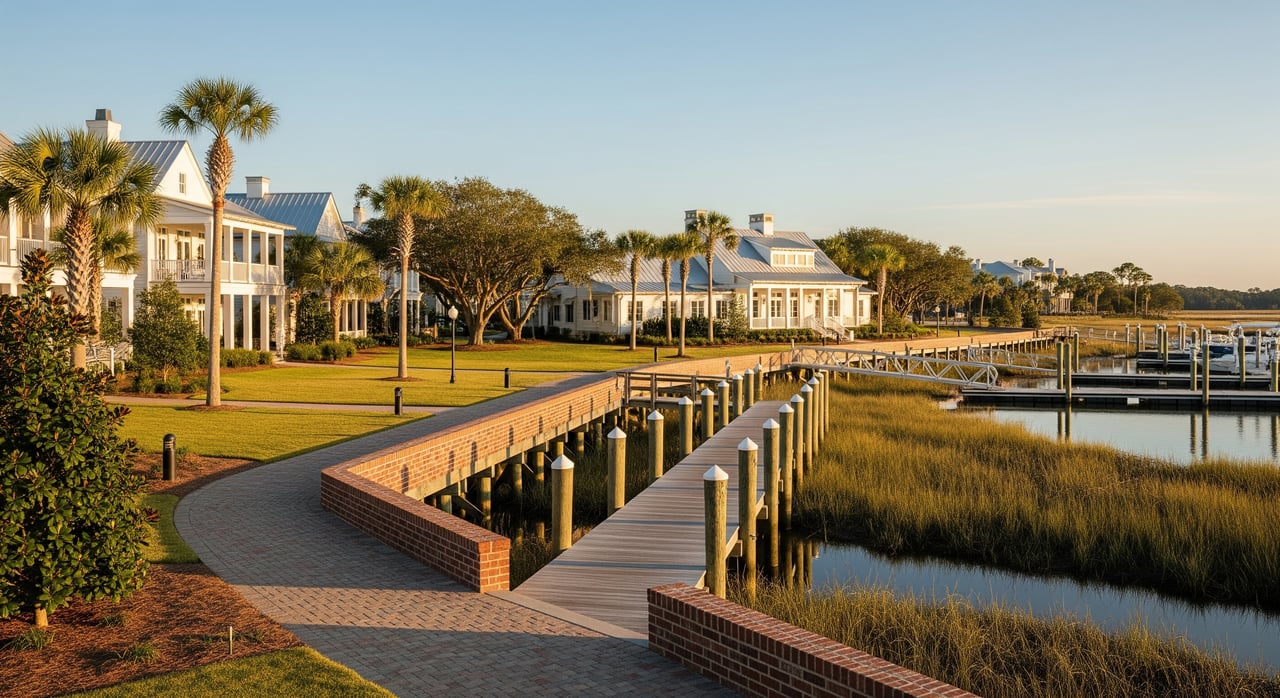
Site grading, native plantings, and permeable surfaces help manage stormwater and reduce nuisance flooding. Waterfront or marsh-adjacent lots may have setbacks, buffers, and shoreline rules that affect projects like docks or bulkheads. Check local guidance before you plan major site work.
Historic and permitting checks
If a property falls within an area with design guidelines or overlays, exterior changes may require review. Always verify whether you need approvals for additions, window replacements, or porches. Reviewing permit history helps you understand what has been legally completed and what may still require sign-off.
Maintenance and lifecycle costs
What to expect overall
- Plan for more frequent exterior painting or staining than inland areas.
- Choose corrosion-resistant hardware and inspect railings, gates, and fixtures for rust.
- Maintain decks and porches, sealing wood or opting for composite where possible.
- Schedule regular termite protection and moisture management.
- Keep HVAC and dehumidification tuned for humid summers, and elevate or protect mechanicals where appropriate.
- After storms, prioritize inspections of roofs, connections, and under-house drainage.
Charleston single: upkeep snapshot
You will likely paint more often and monitor porches and historic materials for wear. Expect focused inspections for structural settlement and termites. If the home is subject to preservation rules, factor in review timelines and adherence to approved materials.
Elevated coastal: upkeep snapshot
Inspect stairs, railings, and metal connections, especially after high-wind events. Monitor ventilation under the house and the underside of floors for moisture. Keep ground-level storage simple and flood-tolerant.
Cottage and bungalow: upkeep snapshot
Small can be efficient. Prioritize roof health, porch decking, and foundational moisture control. If the home sits in a flood-prone area, consider elevating critical utilities.
Modern coastal: upkeep snapshot
These builds often deliver lower near-term maintenance. Maintain seals around windows and doors, dehumidification systems, and metal connectors. If you have large glass walls, plan for professional service and energy management.
Match style to your lifestyle
- Love to entertain outdoors? Elevated coastal and Charleston single homes with broad piazzas and porches are ideal for gatherings.
- Want low maintenance? Modern coastal builds with fiber-cement siding, composite decking, and impact windows reduce routine work.
- Prefer single-level living? Cottages, bungalows, and ranch homes offer fewer stairs and easier aging-in-place options.
- Focused on boating or marsh views? Elevated homes along creeks or marshes pair views with resilience. Confirm local dock rules and maintenance.
- Value historic character? A Charleston single or a thoughtfully restored revival can deliver architectural charm and strong resale.
- Planning for long-term accessibility? Look for elevator-ready spaces in elevated homes or prioritize single-story layouts.
Buying or selling tips in West Ashley
- Confirm the property’s flood zone, Base Flood Elevation, and any freeboard requirements.
- Review an Elevation Certificate if available and ask for flood-insurance history.
- Order inspections from professionals experienced with coastal corrosion, moisture, and elevated foundations.
- Verify permit history for additions, elevation, roofing, or shoreline work.
- Check whether the home is in a local historic district or subject to design guidelines.
- Evaluate site drainage, landscape grading, and the condition of decks and porches.
- Ask about materials used: fasteners, siding, windows, and decking.
- For waterfront homes, confirm setback, buffer, and dock regulations before you plan improvements.
- Compare insurance quotes early, especially for properties in Special Flood Hazard Areas.
Ready to tour West Ashley homes?
Whether you want a porch-filled Charleston single, a flood-smart elevated coastal home, or a modern cottage near shopping and parks, you deserve a guide who knows the nuances of West Ashley’s neighborhoods, flood zones, and lifestyle tradeoffs. If you are thinking about buying or selling, let’s talk through your goals, timeline, and the right fit for your day-to-day life. Schedule a Consultation with Cara Schaafsma to get started.
FAQs
What is a Charleston single home and how does it live?
- A Charleston single is one room wide with a side piazza and long side perpendicular to the street, offering strong cross-breezes, porch living, and classic Lowcountry charm.
How do elevated coastal homes reduce flood risk in West Ashley?
- Elevated homes raise living areas above expected flood levels, which can reduce damage from tidal flooding or storm surge and may improve insurance outcomes.
What maintenance should I expect with coastal homes near salt air?
- Plan for faster wear on exterior paint and metal hardware, regular deck care, termite protection, and consistent moisture control with well-maintained HVAC and dehumidification.
Are there rules for renovating historic-style homes in West Ashley?
- If a property sits in a local historic district or under design guidelines, exterior changes typically require review and permits, so verify before planning work.
What inspections are most important for West Ashley buyers?
- Hire inspectors experienced with elevated foundations, roof and wind readiness, corrosion, and moisture, and consider dedicated foundation and HVAC evaluations.